Childhood Developmental Asset: The Building Blocks of Healthy Development

Developmental Assets is a phrase coined by the Search Institute to identify and define the building blocks of healthy development that help young children grow up healthy, caring, and responsible. Wow, that is a big deal! We all want our children to be successful and the Search Institute has done the research and spoken to the kids to develop a framework that parents and children can use as a resource. On their website, Developmental Assets are laid out clearly by the Search Institute and broken down into age groupings starting at 3 years old.

Developmental Assets are the basic building blocks of positive development. The positive experiences and qualities of these assets help children grow up to become caring, responsible adults. The Developmental Assets categories are the same for all ages because they are the same foundational values. What does shift is the detail of what children need at different times in their lives. The best part of the lists I am about to show you is that there are Action Steps for each of the specific areas. This offers parents ways to take small action steps to move you, your family, and your child toward a more healthy, caring and responsible foundation.

Developmental Assets for all ages: Support, Empowerment, Boundaries & Expectations, Constructive Use of Time, Commitment to Learning, Positive Values, Social Competencies, and Positive Identity.

Introduction to Developmental Assets video

  • Developmental Assets list for children 3 to 5 click here.
  • Developmental Assets list for children 5 to 9 click here.
  • Developmental Assets list for children 8 to 12 click here.
  • Developmental Assets list for children 12 to 18 click here.

Let me know what you think. Our family is trying to weave these assets into our lives, conversations, and actions. It feels right!

Raising Happiness: It’s easier than we think!

Friends’ School Photo

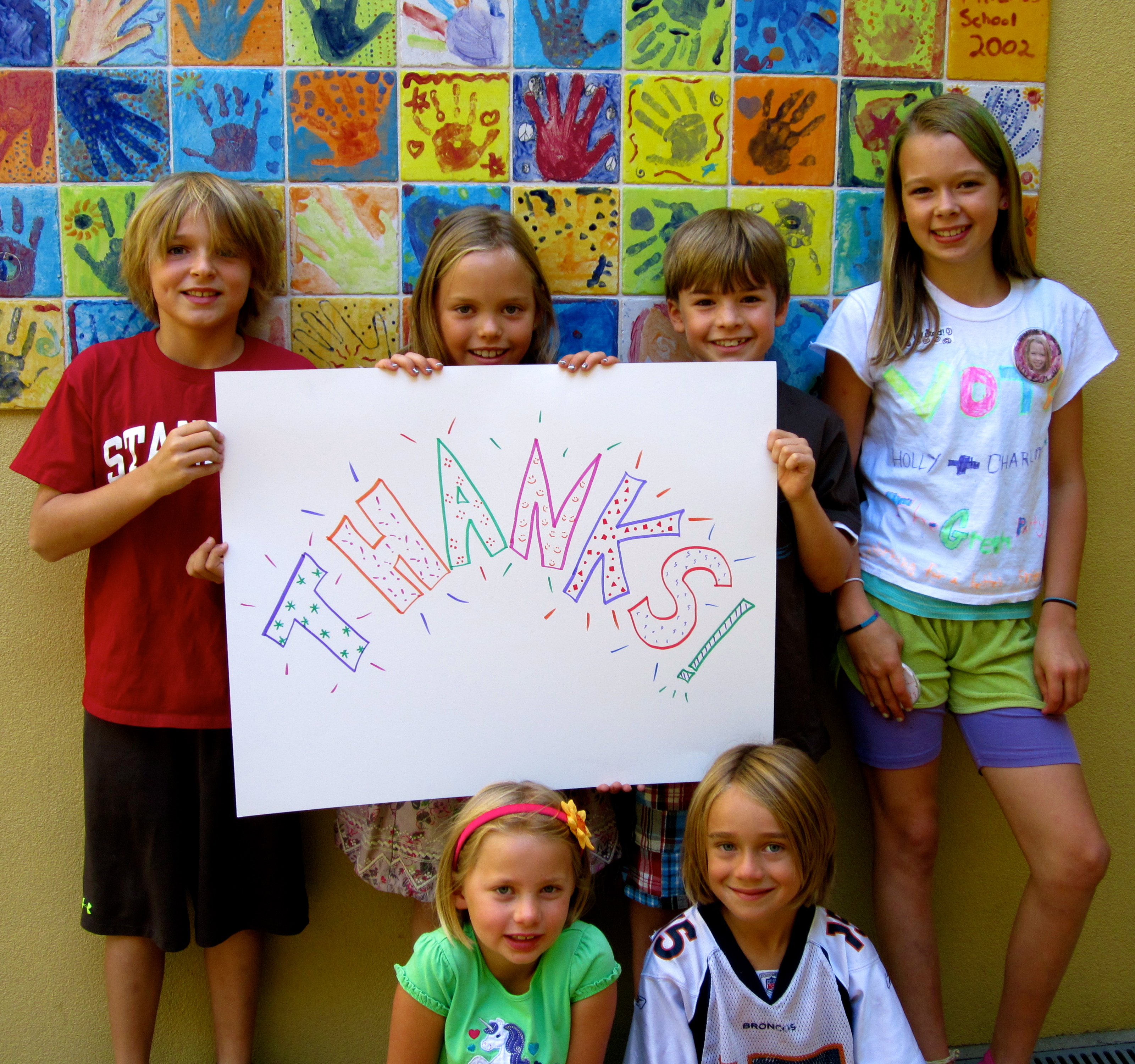
I have to let you know about a project a local private school, Friends’ School, has undertaken called, The Gratitude Project. They are spending the year learning about how gratitude impacts learning. I love this! On 10/18 they brought in well known speaker Christine Carter to speak about a topic near and dear to her heart, Raising Happiness. She literally talked about how we could raise happier children. I was excited! I needed the 411 on this badly!

Her first take home message was quit equating success with happiness! Success does not lead to happiness. We all know the very successful people who are NOT happy. Instead she proposes that happiness leads to success. Do what you love and the success will follow. At this point I took a deep breath and relaxed. I know this to be true. I know in my heart that this is the case yet I was always taught that success lead to happiness. I now know to help instill this in my children: Happiness Leads To Success!

Dr. Carter outlined the individual qualities that lead to success in life and school:

  • Social Intelligence [I think this is similar to Emotional Intelligence]
  • Gratitude
  • Optimism
  • Curiosity
  • Grit [also known as resilience]
  • Self-control
  • Zest

Can we help ourselves and our children embody these qualities? Yes, we can! It take practice, but as we increase gratitude by noticing and then expressing this value it will increase our sense of self-worth and happiness.

A few ideas of how to foster gratitude:

  • At the dinner table ask each family member to say one thing they are grateful for. Role model this one for best success. Even the smallest members of the family can participate.
  • Ask about kindness. What is one kind thing someone did for you today? What is one kind thing you did for someone today?
  • Help others. Sign up to help at a soup kitchen or bring food to the homeless. A call to the homeless shelter or EFAA can help you make plans to help others.

Maybe you have some additional ideas of practices in your family that help each of us to embody the values of gratitude & happiness. Let us know!

Children and Chores: What is appropriate?

I was inspired to write about this topic by a blog post I read, and my own struggles with keeping my house clean, to try and discuss this issue here on Boulder Families. We have a modest size house and I struggle to keep it clean. Up until recently I did everything for my kids. Really! I would bring in their backpacks from the car, clean up after them, make dinner, set the table, clean the table, etc… My husband was beside himself that I would rather let them finish the Really Important LEGO project they had going on than to ask them to set the table. Just easier to do it myself AND I felt that their play time was somewhat sacred. I wish I could pin point what made me switch my tune, but it happened and it was a shock to everyone.

I no longer feel it is all my responsibility, but I share it with my family. The kids set the table. They clean their room. They carry their backpacks into and out of the car daily. They bring me their lunch boxes if they want them refilled with lunch and snack for the next day. [I decided to forgo my husbands suggestion that I buy a Dora lunch box that I gave my boys if they forgot their lunch box at school–just too mean!] But it still amazes me when they willingly set the table or bring in their bags. It shouldn’t, but it does. It just took some consistency and setting an expectation and now it just happens. Magic!

Recently a friend told me about how her family has dedicated 2 hours on Saturday each week to cleaning. Everyone takes their own room and one other room and they get to work. They are teaching the kids to clean the bathroom, vacuum, clean the kitchen, etc… You don’t have to go to this extreme to have your kids involved in the household chores. But get them involved. They like to have responsibilities [after they stop complaining about doing the chore!]. I highly recommend asking kids to help make dinner. Have them plan a meal. Make a grocery list, go shopping, and make the food. It’s a big hit in our house!

My take aways from getting the kids involved in household chores: It takes the load off the parents; It allows the kids to feel ownership of the household; It bonds us through shared work; and it just feels right!

What are age appropriate chores? For this answer I am relying on a recent post from CrassParenting.com

Below is a sample of chores, by age, that children can do. You need to keep in mind that children mature at different rates so there is some wiggle room in these age guidelines.

2-3 years old

Kids at this age are often eager to help. At this age, you shouldn’t give a chore and walk away, but do the chore along with them. This helps teach them what a completed chore looks like.  Making it a game makes it a lot of fun too.

  • Pick up their toys
  • Put their dirty clothes in the hamper
  • Dust furniture
  • Hang up towel in bathroom after bath time
  • Fill pet’s food and water bowl with supervision

4-5 year olds

This is an age that can help out a lot more than we give them credit for. They are still eager to help out and are proud of their accomplishments. Praise at this age goes a long way into making this a good experience for your child.

  • Make their bed, especially if it is a simple quilt or comforter
  • Match clean socks after the laundry is completed
  • Empty small wastebaskets
  • Swiffer the floor
  • Help bring things from the car to the house
  • Help set and clear the table with assistance – especially with breakable items

6-7 year olds

This is an age where the kids can help out that really make a difference. Sadly, this is an age where the bad attitudes can start to creep in too. However, praise and appreciation go a long way into smoothing out those attitudes. Linking responsibility and a job well done to more grown up privileges can help too.

  • Make their lunch for school. Give them a variety of choices from which to choose, but make them choose at least one item from each food group. Don’t forget a little treat too!
  • Help fold clothes.
  • Begin choosing their own outfits and get dressed without supervision
  • Help with simple outdoor maintenance like weeding the garden
  • Vacuum their room
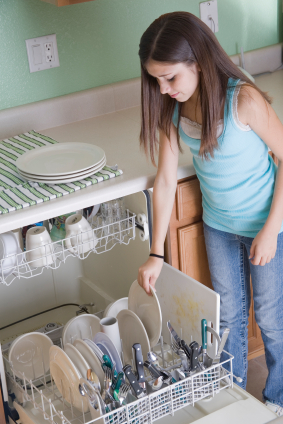
  • Put away dishes from dishwasher
  • Help bring garbage out
  • Help prepare meals being mindful of safety issues like knives. Measuring ingredients, stirring and tossing salads are good chores for this age.

8-11 year olds

This is the age where sport schedules and other non-school activities start to become crazy. Be sure to carve out some time each day and week for kids in this age group to help out. Don’t let their activities be an excuse not to have them help the family.

  • Begin doing their own laundry from time to time.
  • Help prepare meals. At this age, they should be capable of using a sharp knife safely.
  • Clean the kitchen after a family meal from start to finish.
  • Clean their bathroom from start to finish
  • Rake leaves
  • Wash the family car – a favorite chore in my house!

12-15 year olds

This is the time frame to teach the children more life-skill oriented chores. It is good to let them know that in addition to helping the family out, they are learning to do what they will be responsible for when they are adults.

  • Be responsible for getting themselves up in a timely manner each morning by using an alarm clock
  • Maintain personal items like recharging batteries to electronics
  • Changing their bed linens
  • Mow the lawn, with supervision
  • Prepare an occassional family meal
  • Babysit depending on state laws. Most states allow it at 12 years old
  • Help with all aspects of yard work,
  • Help with grocery shopping including preparing a list
  • Begin to start managing their own pocket money

16 years old and older

At this age, they should be able to do any household chore that you can do. This is also the age that school work ramps up tremendously along with after-school activities. Household chores should not be done at the expense of schoolwork as that is the child’s primary job. As a parent you may need to be a bit more flexible on when the chores get done to accommodate your child’s schedule. Be particularly flexible during school-intense periods like mid-terms and finals. At this age kids need to learn how to juggle everything that needs to get done in their lives and that goal should be kept in mind along with helping the family out.

Additional web resources:

What chores do your kids do?

103 Things You Can Do With Your Child

103 Things You Can Do With Your Child:*

1. Go to the library – stay for story time

2. Bake something, anything

3. Construct something with blocks or Lego’s

4. Read a book

5. Draw/Color together

6. Go window shopping

7. Host a play date with their favorite friend

8. Dress Up together

9. Go Sledding

10. Build something in the snow (fort, snowman)

11. Go swimming (indoor or outdoor)

12. Have a picnic (outside or on the living room floor!)

13. Listen to new music together

14. Visit a museum

15. Visit a Zoo

16. Visit a pet store

17. Write and mail a letter to someone special

18, Play a card or board game

19. Take a walk

20. Get out baby photos and talk about them

21. Sing Songs

22. Take a class together at local art center

23. Go roller or ice skating together

24. Tell stories about when your child was a baby

25. Hug/hold your child

26. Build a blanket fort

27. Tell your child what makes them special ( to you and others)

28. Teach/tell your child about your job – take them to work for a day if you can

29. Have a scavenger hunt (indoor or outdoor)

30. Go to a movie together

31. Visit your child at school

32. Dig out your year book and share about your experiences

33. Visit a nursing home or hospital

34. Finger Paint

35. Take pictures

36. Visit and learn about places in your neighborhood (fire station, police station, post office, dairy, etc.)

37. Clean out a room together (basement, attic, garage)

38. Work a puzzle together

39. Plan a vacation together – then GO!

40. Make S’mores

41. Build a bird house

42. Play a sport together

43. Make homemade pizza

44. Rake leaves and play/jump in them

45. Go on a hayride

46. Visit an apple orchard / pumpkin patch

47. Plant something

48. Have a water fight

49. Play hide and seek

50. Go to the state fair

51. Collect different fall leaves

52. Have a block party

53. Take a hike

54. Make puppets and put on a show for each other

55. Tell stories about your childhood

56. Attend athletic event

57. Make homemade ice cream

58. Learn about different cultures

59. Take flowers to a friend

60. Go wading in a creek

61. Go for a train ride

62. Go horseback riding

63. Climb a tree

64. Go camping

65. Have a family talent show

66. Draw a map and have a treasure hunt

67. Walk/play in the rain

68. Talk about feelings/emotions

69. Paint a picture by numbers together

70. Go to a theater performance

71. Complete a DIY project together

72. Wash the car

73. Play Frisbee

74. Pick up litter in the community

75. Fly a homemade kite

76. Jump rope

77. Exercise together

78. Discuss nutrition and the 4 basic food groups

79. Start a savings account – talk about budgeting and saving money

80. Write a story (draw illustrations together too!)

81. Go fishing

82. Visit a relative

83. Visit the neighbors

84. Go bowling

85. Dance party!

86. Play Simon Says

87. Have letter or color of the week and look for them together

88. Play “I Spy”

89. Act out a favorite story together

90. Listen to music and play homemade instruments together

91. Start a gratitude journal with your child – they can draw what they are thankful for

92. Let your child pick out the menu for a meal

93. Start a collection

94. Practice/teach something (reading, tying shoes, zipping zipper, sports, rhyming, sorting, telling time)

95. Sidewalk chalk

96. Go for a bike ride

97. Play pretend

98. Make a collage out of photos and/or clippings of their favorite things

99. Tell jokes

100. Spend time simply LISTENING to them.

101. Make a list of things you want to do together in the future!

102. Build a tree house or a fort  [my addition]

103. Create a fairy house at the base of a tree in your backyard  [my addition]

*Many thanks to the blog, hands free mama, for bringing this list to my attention and many more thanks to the blog, inspired to action, for the original post. You can read the original post here.